RFID: The key to a connected and automated supply chain
28 April 2026

28 April 2026
Is your supply chain management truly equipped to meet the challenges of tomorrow? Discover how RFID technology, combined with artificial intelligence, is propelling your supply chain towards full automation. Real-time visibility, 98% inventory accuracy and sustainable operations: delve into an innovation that turns your logistical constraints into competitive advantages.
For decades, the barcode has set the pace. Its main drawback is the need for a direct line of sight and systematic human intervention. Today, the acceleration of logistics flows calls for frictionless scanning.
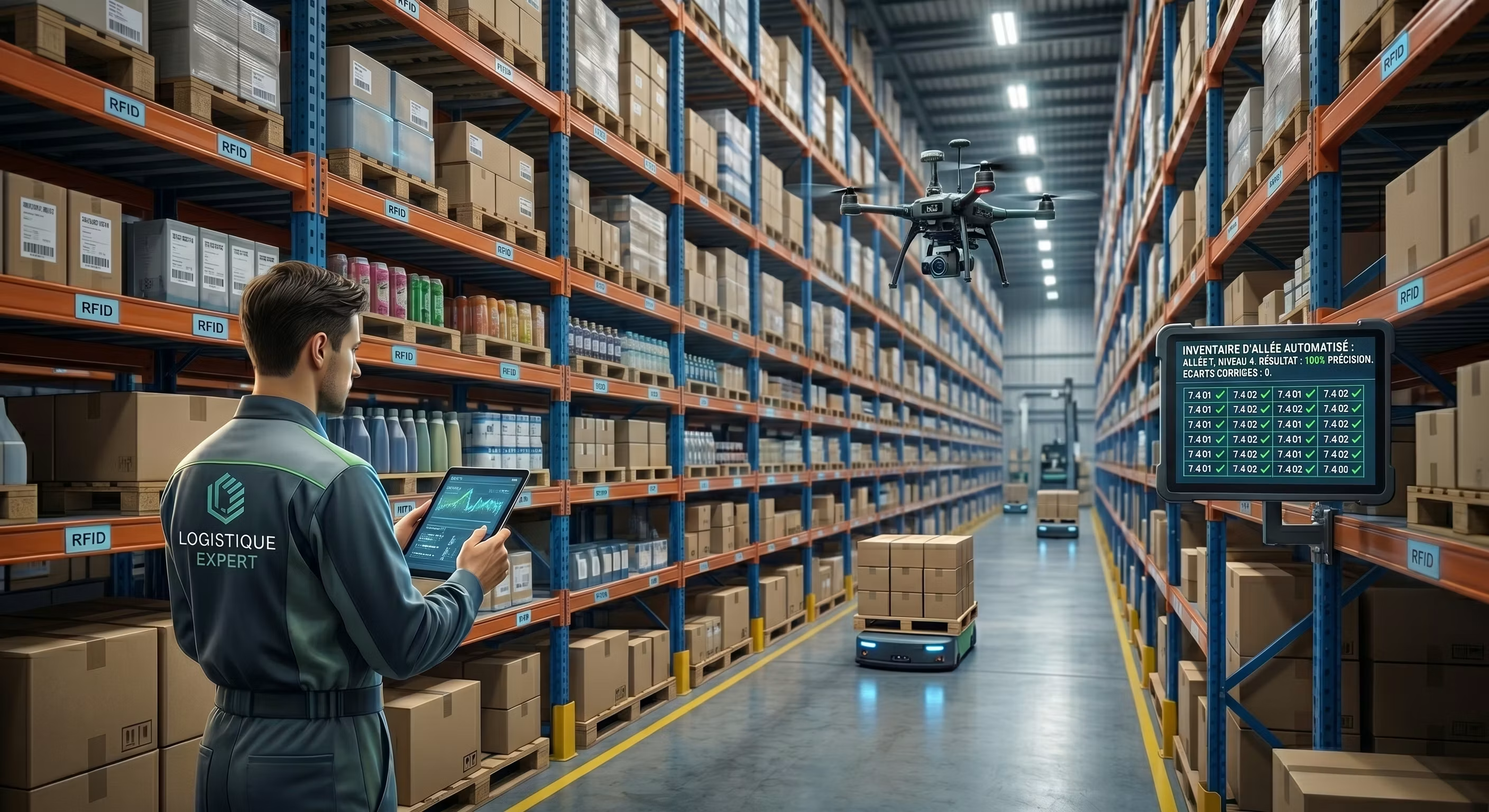
RFID technology eliminates this physical constraint by enabling the simultaneous reading of hundreds of items from several metres away. During dock-side receiving, stock-taking or dispatch, it provides foolproof item-by-item traceability. Deploying an RFID infrastructure increases inventory accuracy from 70% to over 98%, a standard that is now essential for safeguarding the customer experience and company data.
Inventory is at the heart of financial strategy. Stock-outs have a direct negative impact on turnover, whilst overstocking ties up cash unnecessarily.
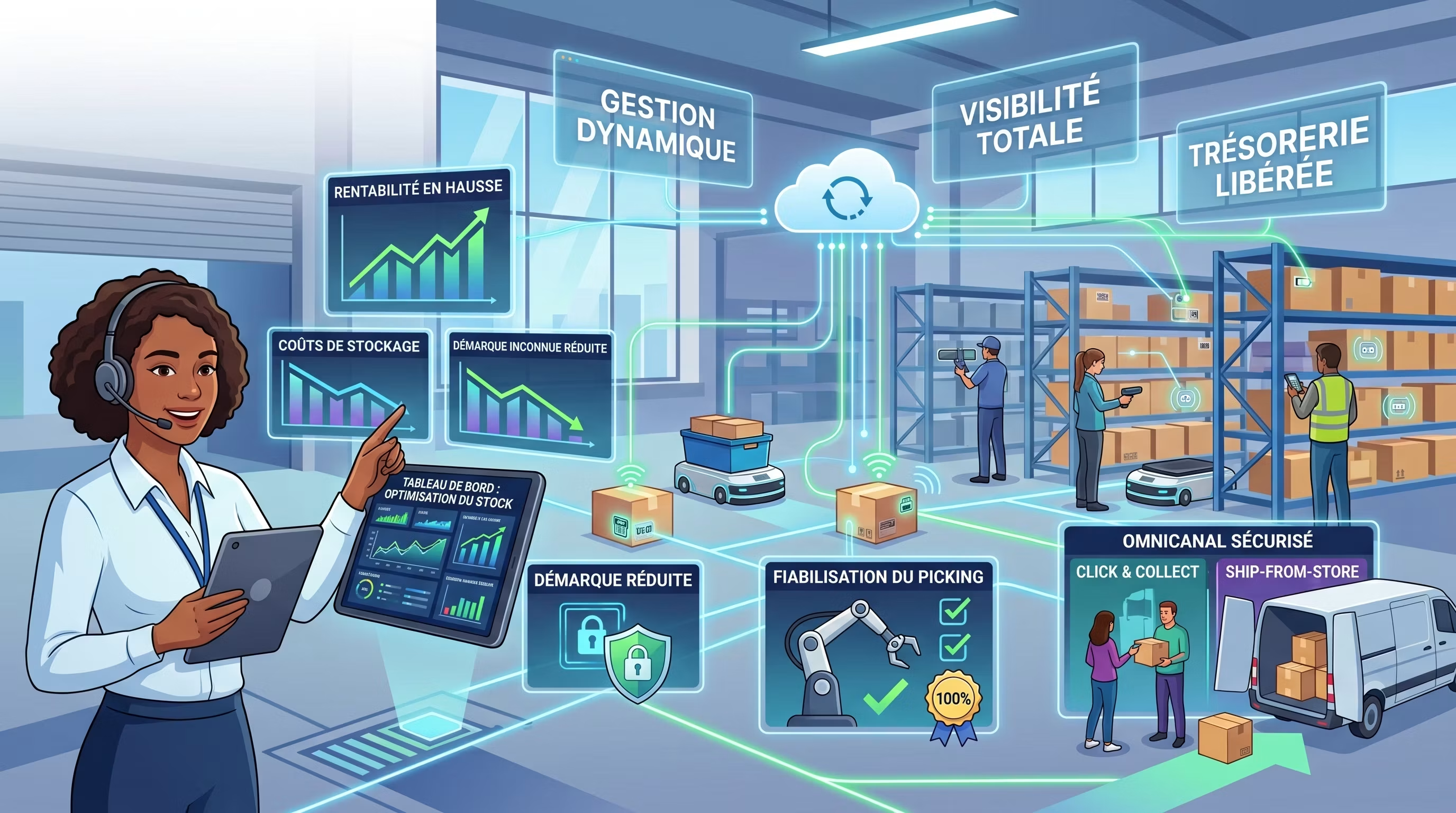
The integration of connected sensors makes inventory optimisation fully dynamic. Supply chain managers know exactly what is in stock, in transit or on the shop floor. This transparency transforms day-to-day operations management:
A drastic reduction in shrinkage thanks to the immediate identification of discrepancies.
Ensuring 100% picking reliability to speed up order fulfilment.
Securing omnichannel processes such as Click & Collect and Ship-from-store.
Collecting data is just the first step; deriving value from it in real time is where the real value lies. This is where hardware technology interfaces with modern software architectures to meet the latest standards of operational excellence.
To handle these millions of events, the deployment of a platform is crucial.
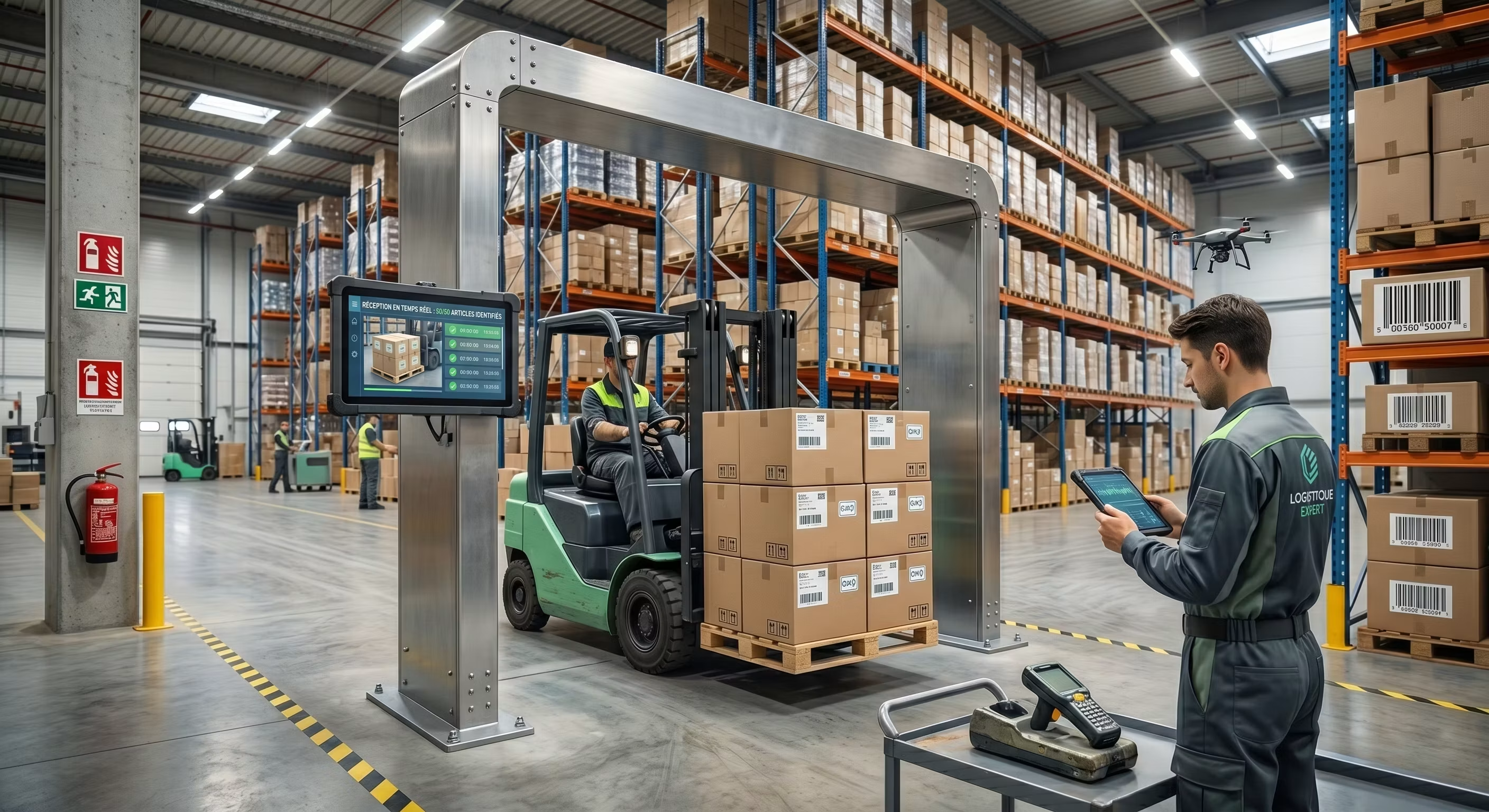
Process automation is becoming native: simply passing a pallet under a scanning gantry can automatically trigger an entire business workflow, from updating a dispatch status to invoicing.
Highly accurate field data is fed directly into AI algorithms, enabling the generation of reliable and forward-looking forecasts of demand.
The technical agility provided by no-code approaches offers the flexibility needed to reconfigure these processes on the fly, without tying up significant IT resources within the IT department.
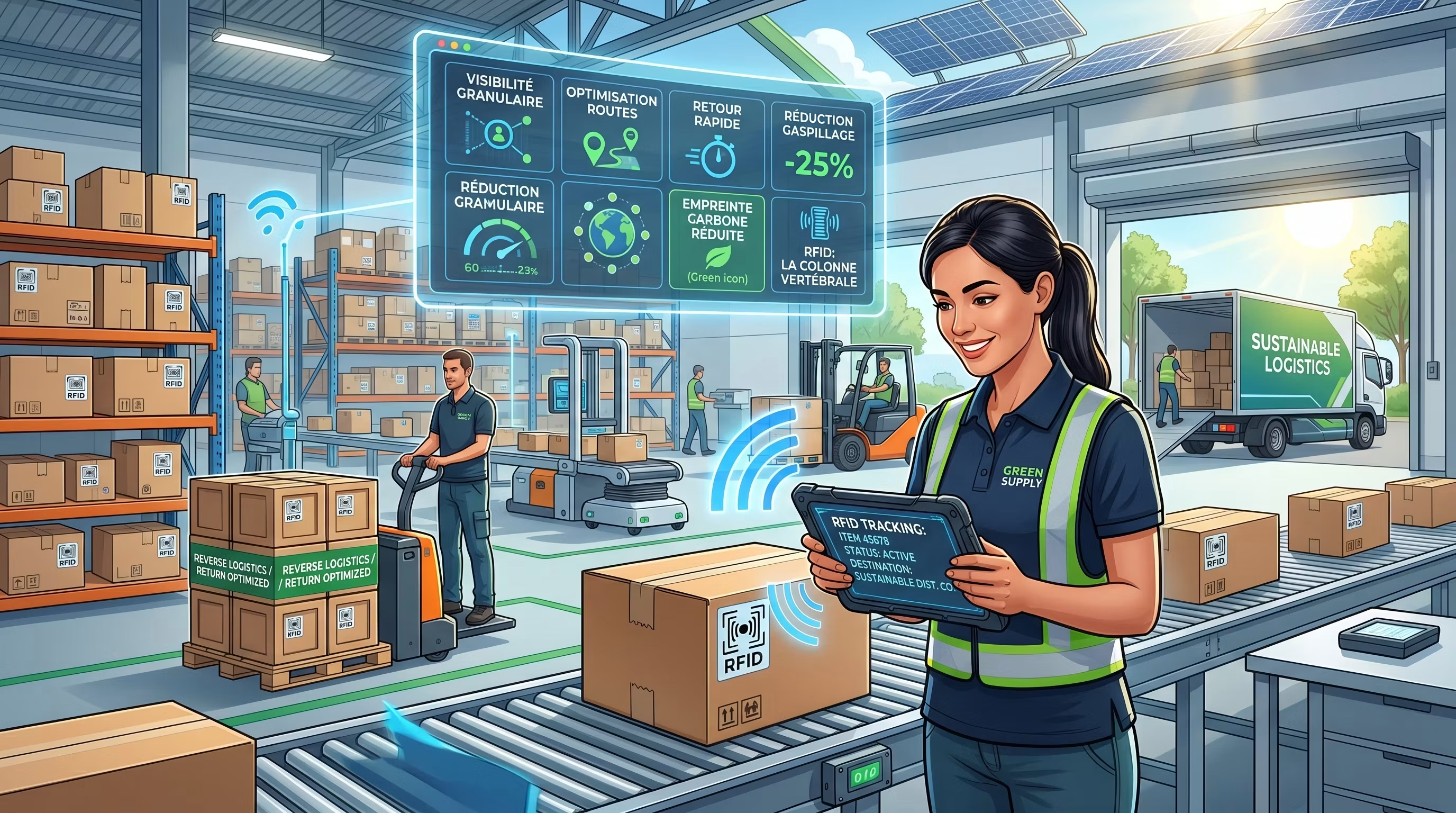
The digitalisation of processes must be aligned with current environmental challenges. A lack of visibility within an organisation inevitably leads to waste: empty runs, inefficient returns and goods going off before they are used.
By providing detailed tracking of each item, RFID is at the heart of sustainable logistics. It enables products nearing their expiry date to be quickly identified, optimises reverse logistics for immediate resale, and significantly reduces product wastage. This automatically reduces the overall carbon footprint of operations.
RFID has established itself as the backbone of resilient organisations. By combining the power of hardware-based data capture with intelligent software tools, supply chain and logistics departments are equipped with a practical means of seeing, understanding and acting in real time. It is this strategic combination of reliable data and technological innovation that enables market constraints to be transformed into genuine, sustainable competitive advantages.
Is it difficult to integrate an RFID infrastructure with an existing IT system? Thanks to architectures based on open APIs, the integration of captured data into existing systems (ERP, WMS) has become seamless and secure. It is no longer necessary to undertake lengthy system overhaul projects in order to utilise RFID data.
How does technology help to reduce operational costs? It drastically reduces the time spent on stock-taking and goods receiving at the dock. Furthermore, it almost completely eliminates dispatch errors (which are extremely costly to rectify) and reduces levels of idle safety stock thanks to comprehensive visibility.
Are these solutions only available to large retail groups? The significant fall in the cost of tags (RFID labels) and reading equipment, combined with the flexibility of cloud infrastructure, makes these deployments highly cost-effective for industrial SMEs, the healthcare sector and third-party logistics providers (3PLs).
Sign up for our newsletter today