Production planning in the age of AI: from the basics to smart management
07 May 2026

07 May 2026
Discover how Artificial Intelligence and agile platforms are transforming production planning. From inventory optimisation to sustainable logistics, explore the key strategies for making your supply chain predictive, flexible and resilient in the face of market volatility.
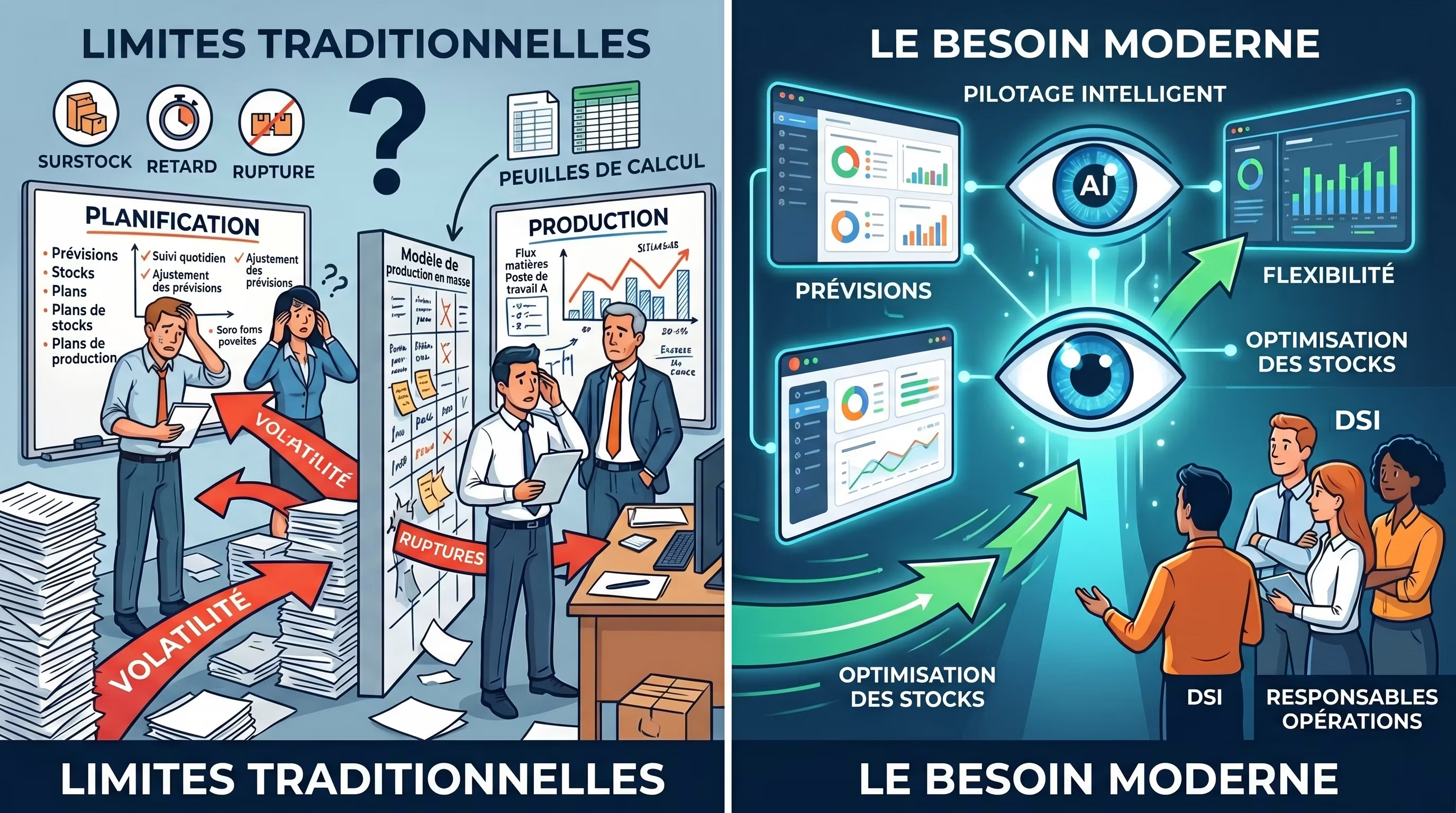
For a long time, production planning relied on historical data and siloed spreadsheets. This approach worked in a stable market. Today, it creates critical blind spots.
Manual management of logistics flows struggles to anticipate minor market fluctuations. The consequences are immediate: costly overstocking, stock-outs, or delivery delays. For operations managers and CIOs, the main challenge is to break down information silos. It is essential to move from a fragmented view to centralised operations management, where every link in the supply chain is connected in real time.
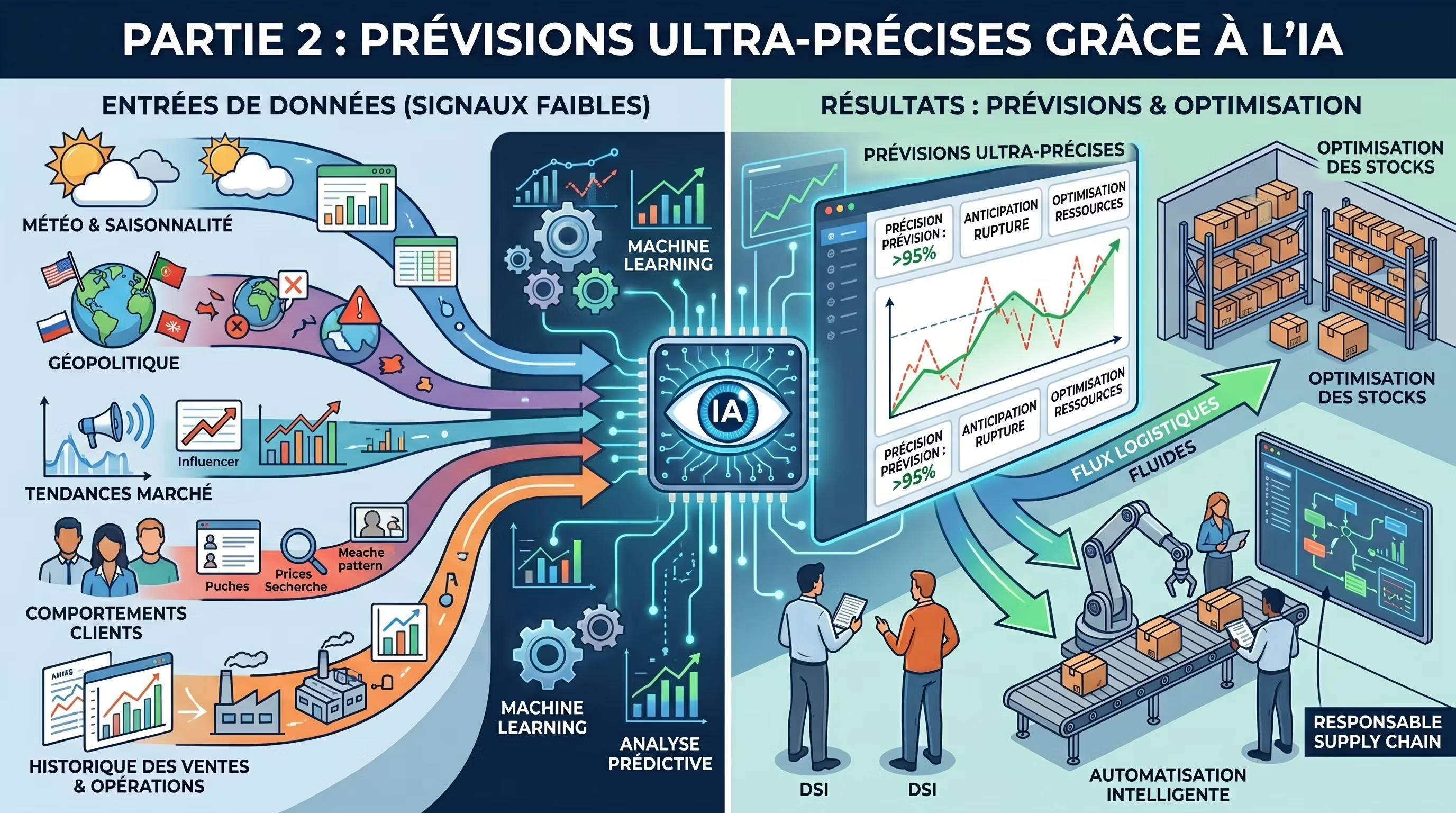
This is where AI comes into play, radically changing the game. Unlike traditional tools, which merely extrapolate from past data, machine learning algorithms analyse a multitude of weak signals (weather trends, geopolitics, social behaviour, seasonality) to generate forecasts of unprecedented accuracy.
The contribution of AI translates into tangible benefits:
Inventory optimisation: By aligning production as closely as possible with actual demand, companies drastically reduce their working capital requirements (WCR) and minimise product obsolescence.
Smart automation: Time-consuming, low-value-added tasks (such as readjusting schedules in the event of supplier delays) are automated, allowing teams to focus on strategy and exception management.
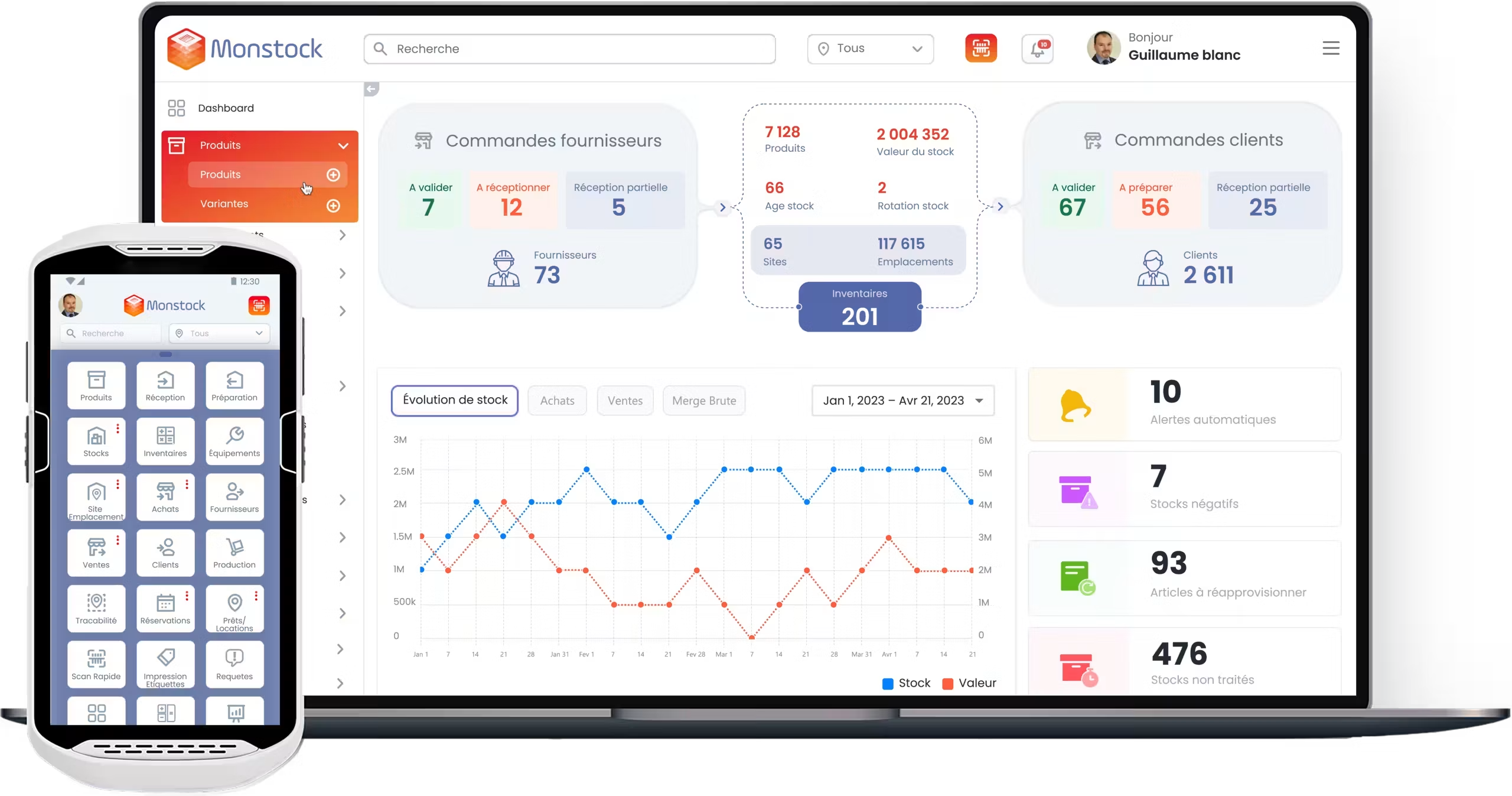
For AI to realise its full potential, it must be underpinned by a robust data infrastructure. Deploying a unified platform is becoming essential for breaking down silos.
This centralisation ensures end-to-end traceability, from the sourcing of raw materials right through to final delivery. Furthermore, the emergence of no-code technologies is revolutionising the adoption of these tools. Supply chain managers can now configure their own dashboards and adapt a specific workflow in just a few clicks, without having to rely on a lengthy IT development cycle. This operational autonomy provides the flexibility needed to quickly reconfigure production lines in the face of unforeseen events.
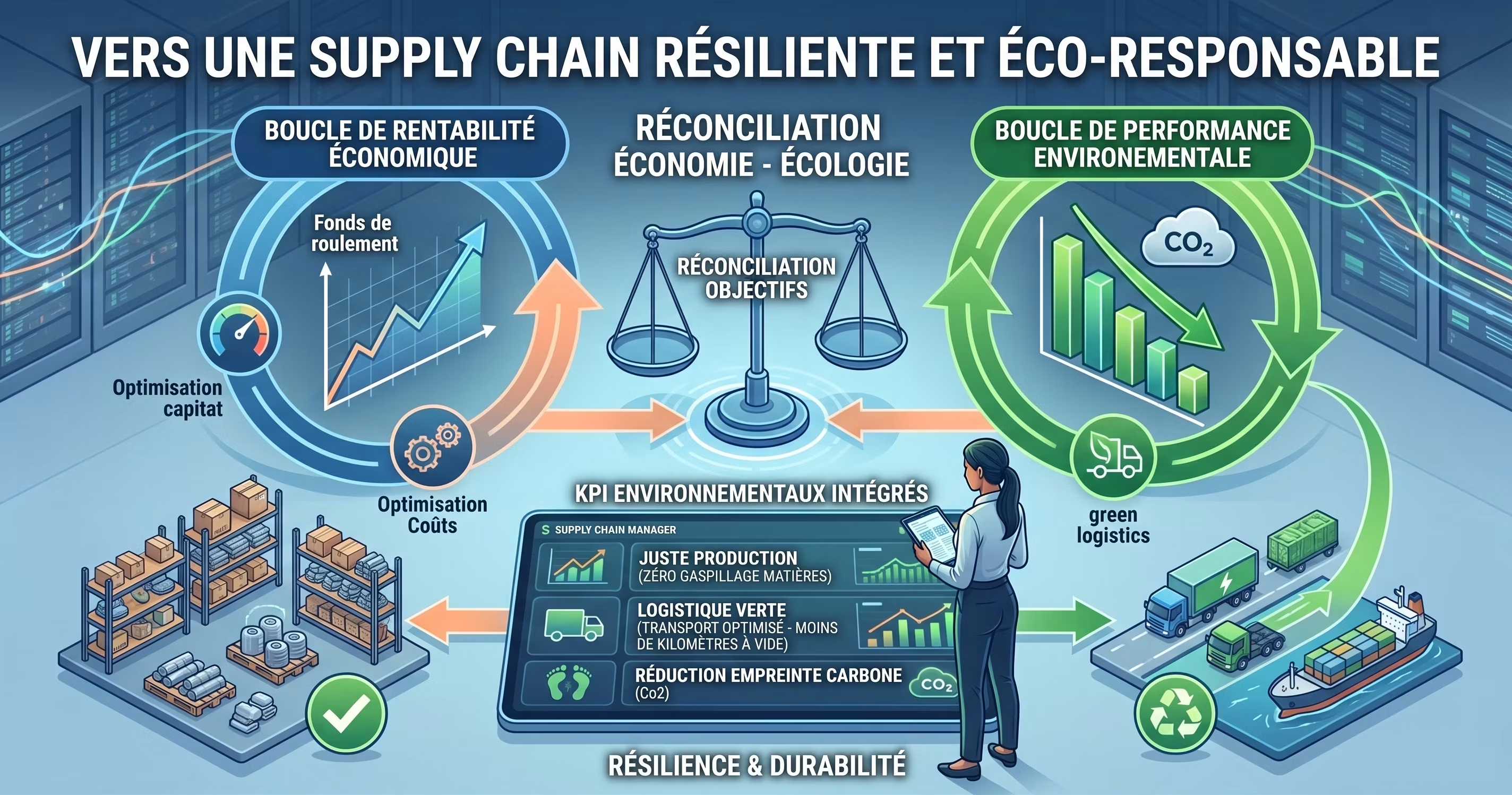
Finally, smart management is not limited to financial performance. Today, it is the main driver of sustainable logistics.
Better planning leads to just-in-time production. This means less waste of raw materials, fewer empty runs, and a significant reduction in the overall carbon footprint. Technology makes it possible to integrate environmental KPIs directly into production planning algorithms, thereby balancing economic profitability with environmental responsibility.
Production planning in the age of AI marks the end of guesswork. For CIOs and supply chain leaders, adopting intelligent and flexible platforms is no longer a futuristic project, but the top priority of the decade. By combining predictive analytics, data transparency and technological agility, companies are gaining a decisive competitive advantage to navigate uncertainty.
What is smart supply chain management? It involves the combined use of AI, real-time data analysis and automation to continuously adjust production, procurement and stock levels in line with on-the-ground realities and predictive forecasts.
How does AI improve inventory management? AI analyses vast amounts of data (historical data, market trends, external events) to forecast demand with a high degree of accuracy. This enables dynamic restocking and helps to avoid both overstocking and stock-outs.
Do you need programming skills to use modern supply chain tools? No. Thanks to the integration of no-code technology into next-generation platforms, business users (logistics managers, planners) can model their processes and configure their alerts in a visual and intuitive way.
Monstock helps you turn your stock into a real strategic asset. Thanks to agile and intelligent management, our solution enables you to anticipate risks, secure your supplies and ensure business continuity, even in times of uncertainty.
To find out more about strategic inventory management and discover other use cases, click here.
For further information, please contact the Monstock team.
Sign up for our newsletter today